Small garden access issues gardeners solutions SE15
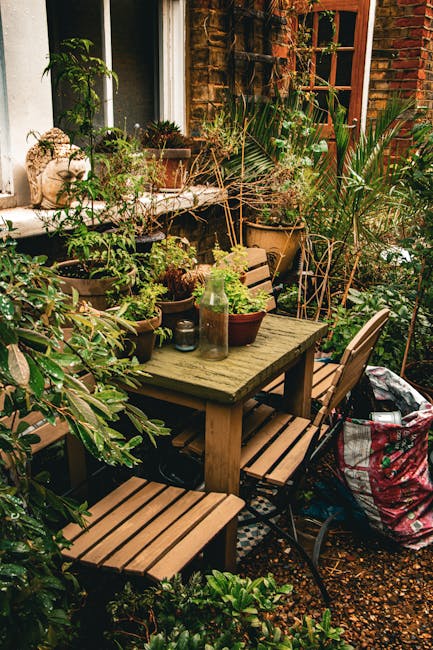
If you live in SE15 and your garden is tucked behind a narrow side passage, a steep step, or a shared entryway, you already know the problem: good garden work can be slowed down before the first spade even goes in. Small garden access issues gardeners solutions SE15 is really about making awkward outdoor spaces workable without damaging fences, paving, plants, or your patience.
That matters more than people think. A compact Peckham garden may look simple from the kitchen window, but once tools, waste bags, wheelbarrows, and ladders need to move through a tight gap, the job changes. The right approach can save time, reduce disruption, and make the end result far cleaner. In this guide, you'll learn how access problems are assessed, what solutions actually help, and how to choose the most sensible method for your space. No fluff. Just practical, local advice that holds up in the real world.
Why Small garden access issues gardeners solutions SE15 Matters
Access is often the hidden job within the job. A garden can be perfectly visible and still be awkward to work in because of a tight alley, an internal basement step, a shared hallway route, or a gate that opens only halfway because of the bins. In SE15, where homes range from Victorian terraces to newer flats with compact courtyards, this comes up all the time.
Why does it matter so much? Because access affects almost every part of the work. If a gardener has to carry everything by hand through a very narrow passage, then labour takes longer, more care is needed, and the chance of accidental scuffs or breakages rises. Waste removal becomes slower too. Even simple maintenance jobs like hedge trimming or lawn mowing can become fiddly if equipment cannot be moved in and out efficiently.
There's another side to it as well: the garden itself is usually smaller, so every inch matters. A wide barrow turning in a tight space, or a bag of hedge cuttings dropped in the wrong place, can create more damage than the original problem. In our experience, the best results come from treating access as part of the plan, not a detail to figure out on the day. That sounds obvious, but honestly, it's the bit people often miss.
If you're organising multiple garden tasks, it can help to think broadly. A little planning around access can improve a simple tidy-up, a full refresh, or a deeper change such as garden landscaping. And if the space needs a proper reset before work can begin, garden clearance is often the cleanest starting point.
How Small garden access issues gardeners solutions SE15 Works
The process usually starts with a quick assessment of the route, not just the garden. A good gardener looks at gate widths, step height, path surfaces, door clearances, nearby parking, and whether waste can be taken out in stages. Sometimes the access issue is obvious. Sometimes it isn't. A garden may look manageable until you try to get a mower round a corner or carry bags through a hallway without brushing the walls.
From there, the solution is usually a mix of planning, right-sized tools, and sensible sequencing. For example, pruning may be done before clearance so branches are smaller and easier to move. A lawn cut may happen before heavier work so the route stays clearer. Waste may be bagged in smaller loads rather than packed into bulky sacks that are awkward to lift. Not glamorous, but it works.
In tighter SE15 gardens, the practical aim is to reduce friction at every stage:
- use tools that fit the route and the space
- protect surfaces before moving anything heavy
- keep waste handling compact and organised
- sequence jobs so the garden stays as accessible as possible
- avoid bringing in more equipment than the site can comfortably take
For regular upkeep, a structured visit can make a huge difference. A service like garden maintenance helps keep the space under control so access problems do not snowball into a bigger mess. It's one of those things where a little rhythm saves a lot of stress later.
Key Benefits and Practical Advantages
The main benefit is straightforward: the job gets done properly without turning the property upside down. But there are a few more advantages worth spelling out.
- Less disruption: Narrow access often means more foot traffic through the same route. Planning reduces repeated trips and keeps the home calmer.
- Lower risk of damage: Walls, paintwork, paving, fences, and plants are all easier to protect when movement is planned properly.
- Faster completion: When tools and waste are handled efficiently, the work tends to move in a cleaner sequence.
- Better outcomes in small gardens: Small spaces look tidier when every action is more precise.
- Less frustration for everyone: Let's face it, gardening gets much easier when nobody is trying to wrestle a bulky bin bag through a narrow gate at 4 pm.
There's also a design benefit. Once access is understood, the garden can often be improved so future maintenance is easier. That could mean changing the layout, adding a more sensible path, reducing awkward planting near pinch points, or using features that make movement simpler. A carefully planned project can be supported by landscape gardening or, where structure and surface changes are needed, by broader landscaping work.
Expert summary: If the access is tight, the best solution is rarely brute force. It is usually a combination of smaller equipment, smarter sequencing, and a layout that respects how people and materials actually move through the site.
Who This Is For and When It Makes Sense
This is relevant to a lot more people than you might expect. If you own, rent, manage, or simply help maintain a small outdoor space in SE15, access could be shaping what is possible far more than the garden size itself.
It makes particular sense if you have:
- a narrow side return or shared alley
- a basement or raised garden with steps
- a courtyard with a tight gate
- limited storage for tools and waste
- large shrubs or trees blocking movement
- a patio or decking area that makes turning equipment awkward
It's also relevant when you are preparing for one-off work after a long period of overgrowth. If the garden has been left for a while, there may be more material to remove than the access route can comfortably handle in one go. That's usually where staged work helps. A visit focused on heavy lifting and removal can come first, then ongoing upkeep follows later. Simple, really.
For homeowners who want to improve the usability of a cramped outdoor space, small access planning is often the bridge between "we should sort this out" and "yes, we can actually do that." If hedge lines are blocking entry or spilling into paths, hedge trimming can restore space surprisingly quickly. If trees are creating a bottleneck, more careful tree lopping and removal may be the safer route, subject to proper checks and permissions where needed.
Step-by-Step Guidance
Here is a practical way to handle access problems without overcomplicating the job.
- Measure the access route. Check gate width, step depth, passage width, and any points where equipment has to turn. A few centimetres can matter more than people expect.
- Look at the route under real conditions. A dry, empty path is one thing; a wet path with a sack of cuttings is another. Early morning frost or damp paving can change the plan completely.
- List the tools and waste likely to be involved. A mower, hedge trimmer, pruning saw, bags, and protective sheets all need a way in and out. If something won't fit easily, do not assume it will be fine on the day.
- Decide what needs to happen first. Often, clearance comes before fine detail work. You cannot shape a bed properly if you still have to climb over a tangle of cut branches.
- Protect surfaces and edges. Boards, sheets, or careful carrying methods can stop scuffs. This is especially useful around painted walls or newly laid paving.
- Use smaller loads. More trips, yes, but less strain and fewer collisions. In tight spaces, small loads usually win.
- Reassess halfway through. A good job adapts. If access tightens once waste starts building up, the plan should change rather than forcing it.
- Leave the route better than you found it. Sweep down, remove debris, check gates and latches, and make sure nothing is left blocking movement.
If the site needs a bigger reset before any of this can happen, a proper garden clearance visit can create breathing room. After that, routine care becomes much more realistic. Truth be told, that first clean-up is often the turning point.
Expert Tips for Better Results
Small gardens reward restraint. The trick is not to do more; it is to do the right things in the right order.
Tip 1: Keep the movement route as uncluttered as possible from the outset. Even a small pile of trimmings near the gate can turn into an annoying bottleneck.
Tip 2: Use compact tools where possible. A smaller mower or hand tools may take a bit longer, but they are often far easier to use in a courtyard or narrow side access.
Tip 3: Build in a buffer for waste. If you think a job will create three bags of cuttings, plan for four. That little bit of slack prevents the final stage from becoming a scramble. Been there, seen that, not fun.
Tip 4: If the garden has climbing plants, thorny shrubs, or heavy debris, prepare gloves and packing materials before work begins. It sounds basic, but it prevents stop-start work.
Tip 5: Do not ignore the storage angle. In many SE15 homes, tools live in a shed, hallway cupboard, or outside storage box. If the access route is awkward before the tools are even used, the whole project slows down.
Tip 6: Think in terms of future maintenance, not just today's visit. A job that looks neat but leaves the access route just as awkward will probably need the same battle again next month.
One more thing: if you are adding built elements such as a raised platform, a new seating area, or a more usable surface, make sure the design does not create an even tighter pinch point. Good outdoor design should feel easy to move through, not like a puzzle you have to solve every time you take the bins out.
Common Mistakes to Avoid
Access problems are often made worse by a few avoidable decisions. The biggest one is underestimating the site. It only takes one narrow corner, one loose paving stone, or one gate that sticks halfway open to make the whole job more awkward than expected.
- Assuming standard equipment will fit: Not every mower or barrow is suitable for a compact route.
- Starting with the wrong task: If the entrance is blocked, trimming the far corner first may be a waste of time.
- Leaving waste to accumulate at the exit: That can trap the working area and make everything slower.
- Ignoring surface protection: Slippery paving, paint marks, and scratched thresholds are avoidable headaches.
- Trying to force oversized loads through tight gaps: This is where damage and delays often begin.
- Forgetting neighbours or shared spaces: In terraced or shared-access properties, courtesy matters. A tidy route is safer and much less stressful for everyone.
Another mistake is treating the access issue as purely physical. Sometimes the real problem is workflow. If you have to double back repeatedly, or keep moving the same tools around, the garden starts to feel smaller than it is. A better sequence can fix that without changing anything else. Small improvement, big difference.
Tools, Resources and Recommendations
The right tools depend on the route, but some items come up again and again in tight-access gardens:
- compact pruning tools for controlled cuts
- lightweight bags or containers for green waste
- protective sheets or boards for narrow thresholds
- hand tools for corners where powered equipment will not fit
- smaller-format mowers for awkward lawns
- loppers and secateurs for reducing bulky branches before movement
For repeat maintenance, the best resource is often a simple schedule. That may sound almost too basic, but regular visits help stop access issues from becoming clutter issues. If a hedge is repeatedly narrowing the path, trim it before it becomes a squeeze. If the lawn is uneven and difficult to move across, keep cutting consistent so the route stays predictable.
Where the main goal is long-term upkeep, lawn mowing and hedge trimming are often the most practical services to keep access manageable. If your garden has become overloaded with cuttings, broken pots, and old materials, it may be worth combining those jobs with garden clearance so the route opens up properly.
Law, Compliance, Standards, or Best Practice
For most domestic garden jobs, the main concern is safe, sensible working practice rather than complicated legal compliance. That said, there are a few points worth keeping in mind.
First, access routes should be treated with care if they are shared, narrow, or close to internal spaces. Protecting floors, walls, and thresholds is simply good practice. Second, where work involves ladders, lifting, cutting equipment, or tree work, risk awareness matters. A careful setup can prevent accidents long before they happen.
In a practical sense, the best standard is this: move only what the space can safely handle, keep routes clear, and use appropriate equipment for the task. If something feels too bulky for a narrow access point, it probably is. That is not being cautious for the sake of it; it is being realistic.
When garden work includes heavier pruning or trees that may interfere with movement, it is sensible to check whether permissions or local considerations apply before any major removal. A responsible gardener should flag this early rather than leaving you to discover it later. Good communication is part of good workmanship, plain and simple.
For peace of mind, it also helps to choose a provider with clear policies on safety and working standards. Useful pages such as health and safety policy, insurance and safety, and accessibility statement can help you understand how a business approaches care, risk, and access needs.
Options, Methods, or Comparison Table
There is no single fix for tight garden access. The best method depends on how narrow the route is, how much material must be moved, and how much change you want to make to the garden itself.
| Method | Best for | Advantages | Trade-offs |
|---|---|---|---|
| Manual handling with compact tools | Very narrow paths, light maintenance, small courtyards | Controlled, flexible, low disturbance | Slower for larger jobs |
| Staged clearance then maintenance | Overgrown gardens with blocked access | Creates breathing room, improves workflow | May take more than one visit |
| Layout adjustment or landscaping | Recurring access bottlenecks | Long-term improvement, easier upkeep | More planning and possibly higher initial cost |
| Targeted pruning or tree work | Overhanging growth, blocked entry points | Can open space quickly | Needs careful judgement and safe execution |
In practice, the most effective solution is often a combination. For example, a tight side return might need a clear-out first, then ongoing maintenance, and later a small design change to stop the same problem returning. That layered approach is more realistic than expecting one visit to fix everything.
Case Study or Real-World Example
Here is a realistic SE15-style scenario. A terraced house has a small rear garden reached through a narrow side passage. The gate opens, but only just. The garden itself is manageable, yet it has become crowded with dead growth, an overlong hedge, and a patchy lawn that is hard to reach without constantly stepping around waste bags.
The first step is not to rush in with the biggest tools. The route is assessed, surfaces are protected, and the work is split into stages. The hedge is reduced enough to widen the feeling of the entrance. Loose waste is removed in smaller loads so the passage does not block up. The lawn is then cut, but with a compact mower that can turn without scraping the edges. Finally, the remaining clutter is cleared and the garden is left with a much simpler access route for the next visit.
What changed? Not just the appearance. The space became easier to use. The homeowner could get to the bins without weaving around branches. Future visits would be quicker. And the garden no longer felt like a job before breakfast. That last part matters more than people admit.
This is also where a proper service mix helps. Regular garden maintenance keeps the opening clear, while lawn mowing and hedge trimming prevent the route from slowly shrinking again.
Practical Checklist
Use this checklist before arranging work in a small SE15 garden with access issues:
- Measure the narrowest point on the access route
- Check for steps, tight turns, and uneven paving
- Note anything that opens inward, such as gates or shed doors
- Identify whether waste will need to leave in stages
- Clear the route of bins, toys, pots, and loose items
- Decide which tasks must happen first
- Choose tools that match the space, not just the task
- Protect vulnerable surfaces before carrying equipment through
- Ask whether pruning, clearance, or landscaping is the better starting point
- Plan for follow-up maintenance so the access problem does not return
If you can tick most of those off, you are already ahead of the game. If not, that's fine too. It just means the job needs a bit more planning, not a miracle.
Get a free quote today and see how much you can save.
Conclusion
Small garden access issues in SE15 are rarely about one dramatic obstacle. More often, they are a collection of little frustrations: a narrow side return, a stubborn gate, a cramped turning point, a patch of overgrowth, and not quite enough room to move comfortably. Once you understand that, the solution becomes much clearer.
The best outcomes come from treating access as part of the garden design and maintenance plan, not as an afterthought. Clear the route, choose the right tools, sequence the work properly, and make small adjustments that reduce friction over time. That approach protects the property, saves effort, and makes the garden genuinely easier to live with.
And that, really, is the whole point. A small garden should feel calm, not cramped. With the right planning, even the tightest SE15 space can become manageable, tidy, and pleasantly easy to care for. One careful step at a time.
Frequently Asked Questions
What are the most common small garden access problems in SE15?
The most common issues are narrow side passages, tight gates, steps, shared routes, and overgrown planting that blocks movement. In smaller Peckham gardens, even waste bags and tools can become awkward if the route has to be used repeatedly.
How do gardeners usually work around a narrow side return?
They usually use smaller tools, carry materials in lighter loads, protect surfaces, and plan the order of tasks carefully. Sometimes the best answer is to clear the route first so the rest of the work becomes easier.
Can a small garden still be maintained properly if access is difficult?
Yes, absolutely. It just needs the right approach. Regular visits, compact equipment, and sensible pruning or clearance can keep the space under control without forcing large items through a tight route.
Is garden clearance better than maintenance when access is very tight?
It depends on the condition of the garden. If the space is overgrown or cluttered, clearance often comes first because it opens up the route. Once the garden is manageable, maintenance becomes much easier to carry out.
Do I need landscaping if access keeps causing the same problems?
If the access issue keeps returning, a small layout change may help. Landscaping can sometimes widen movement routes, reduce awkward corners, or create a more practical flow through the garden.
How can I prepare my garden before a gardener visits?
Clear loose items from the path, unlock gates, move bins if possible, and let the gardener know about any awkward points. A few minutes of prep can save a lot of time later. It's one of those boring little wins that really does help.
What if my garden has shared access with neighbours?
Shared access needs extra care and courtesy. The route should stay tidy, movement should be kept to a minimum where possible, and anything that could block other residents should be handled carefully. Good communication matters here.
Are there safety concerns with carrying tools through narrow access?
Yes. Narrow routes increase the chance of slips, bumps, and strain if the load is too heavy or the surface is uneven. That is why careful lifting, protective measures, and the right equipment matter so much.
How often should a small access garden be maintained?
That depends on how quickly it grows, but regular maintenance is usually better than leaving it until access becomes blocked again. In small spaces, consistency prevents the route from shrinking over time.
Can hedge trimming really improve access that much?
Yes. Overgrown hedges can narrow paths, block gates, and make a garden feel much smaller than it is. Trimming back growth can restore a surprising amount of usable space.
Will tree work help if the access route is shaded or crowded?
Possibly. If branches are creating a bottleneck or making the route awkward, careful tree work may help. But it should be assessed properly, especially if the tree is large or close to structures.
How do I choose between maintenance, clearance, and landscaping?
If the garden is generally under control, maintenance is the sensible choice. If it is overgrown or full of waste, clearance comes first. If the same access issue keeps returning, landscaping or small design changes may be the better long-term fix.